In the context of rapid development of Internet of Things (IoT) technology, RFID (Radio Frequency Identification) technology, as a key sensing technology, is playing an increasingly important role. As an important component of RFID systems, RFID readers directly determine the performance and application effectiveness of the system. This article will delve into the development trends and future prospects of RFID readers, providing valuable references for industry professionals.

The development trend of RFID reader technology

Multi band compatibility

Traditional RFID readers usually only support a single frequency band, but with the diversification and complexity of application scenarios, multi frequency band compatibility has become a trend. For example, ultra-high frequency (UHF) and high frequency (HF) have their own advantages in industrial and commercial applications, and readers that are compatible with multiple frequency bands will be more competitive in the market. This multi band compatibility not only improves the flexibility and adaptability of devices, but also effectively reduces the overall cost of ownership for enterprises.

Intelligence and edge computing

With the progress of artificial intelligence (AI) and edge computing technology, RFID readers are developing towards intelligence. Modern RFID readers are beginning to integrate more computing and processing capabilities, enabling data analysis and processing locally on the device. This intelligent reader/writer can analyze data in real-time, respond quickly, reduce dependence on central servers, and improve the overall efficiency of the system.

High performance and low power consumption

High performance and low power consumption are two important directions for the development of RFID readers. High performance means higher read speeds and longer read distances, which are crucial for improving production efficiency and user experience. Low power consumption is related to the endurance and environmental performance of devices, especially in some application scenarios that require long-term operation. Low power design can significantly extend the service life of devices and reduce maintenance costs.

Miniaturization and integration

Miniaturization and integration are also important development trends for RFID readers. Miniaturization enables RFID readers to be applied in more space limited scenarios, such as medical devices, smart wearable devices, etc. Integration refers to the integration of RFID functionality with other sensors and communication modules to achieve stronger functionality and higher integration. The development of miniaturization and integration will greatly expand the application scope of RFID technology.

Future prospects of RFID readers and writers

Integration with 5G technology

With the popularization of 5G technology, RFID readers will be deeply integrated with 5G networks. The high bandwidth, low latency, and large connectivity characteristics of 5G networks will bring new development opportunities for RFID systems. For example, using 5G networks, RFID readers can achieve faster data transmission and wider coverage, improving the real-time and reliability of the system. In addition, 5G technology will promote the widespread application of RFID technology in the Internet of Things and drive the digital transformation of various industries.

Integration with blockchain technology

Blockchain technology has the characteristics of decentralization, immutability, and traceability, and its combination with RFID technology will bring more innovative applications. For example, in supply chain management, RFID readers can be combined with blockchain technology to achieve transparent tracking and management of the entire process of goods from production to sales, improving the security and transparency of the supply chain. In addition, blockchain technology can also be used for identity authentication and data security management in RFID systems, enhancing the security and reliability of the system.

Multimodal fusion

The future RFID readers will not be limited to RFID technology itself, but will integrate with other sensor technologies and communication technologies to form a multimodal sensing system. For example, RFID technology can be combined with NFC (Near Field Communication), Bluetooth, Wi Fi and other technologies to provide richer data collection and transmission methods, meeting the needs of different application scenarios. The development of multimodal fusion will greatly enhance the functionality and application value of RFID systems.

Low cost and popularization

With the advancement of technology and the expansion of production scale, the cost of RFID readers will continue to decrease, promoting their widespread application in various industries. Low cost RFID readers will provide more choices for small and medium-sized enterprises and individual users, promoting the widespread application and market expansion of RFID technology.

RFID readers, as an important component of RFID systems, have a significant impact on the entire RFID industry in terms of their technology and application trends. In the future, RFID readers will have a broader development space, providing strong support for the digital transformation and intelligent upgrading of various industries.
The main application of RFID technology in livestock information management
In recent years, with the development of RFID technology, it has been widely used in various industries. In the animal husbandry industry, RFID technology also has important applications, which can help farmers achieve precise management of livestock and poultry, improve breeding efficiency and quality. Many large-scale pig and poultry farming enterprises use RFID technology to manage animals. This technology mainly uses animal tags and readers for wireless communication, automatically identifying and tracking animals, achieving the goal of intelligent management.
RFID technology is mainly applied in the feeding process of animal husbandry management, including intelligent weighing, intelligent feeding, intelligent identification and inventory, and livestock breeding.
Intelligent weighing
By automatically uploading weight data to the terminal system through the animal weighing channel or automatic weighing machine, there is no need for other human interference, and the workload of measuring animal weight is reduced. All animal weight data can be obtained at once, which can better adjust feeding and management strategies. It will also be more accurate for evaluating the growth of fattening pigs at different stages (compared to traditional visual evaluation methods).
Intelligent feeding
When animals drink and eat, they will be identified based on their weight information and repeated feeding information, and corresponding amounts of water and feed will be given to achieve scientific feeding, which can reduce unnecessary feed waste.
Intelligent recognition inventory
When animals pass through the passage door or feeding pen, automatic inventory counting can be performed, and the collected information will be uploaded in real-time to the terminal management background for data aggregation. Automatically record whether animals have been slaughtered and returned to the inventory, reducing the probability of errors in manual inventory.
Livestock breeding
Breeding of livestock is the main competitive advantage of large-scale farms. High quality livestock can bring greater production and market share. Breeding livestock through RFID and recording the growth information of each generation can help select high-quality breeds for feeding, which can also avoid the problem of livestock information confusion caused by personnel turnover in the farm.
The application of RFID technology in animal husbandry mainly involves implanting RFID tags into the bodies of livestock and poultry, and remotely identifying them through RFID readers. Through RFID technology, real-time monitoring, tracking, and management of livestock and poultry can be achieved, including recording information such as their birth date, health status, vaccination status, and breeding history.
The application of RFID in animal husbandry management is becoming increasingly widespread and its role is gradually becoming prominent. Nowadays, it has been widely used in animal husbandry by many enterprises.

The use of RFID smart cards in parking lots The benefits of using smart access cards in schools include: 1. Security: Smart access cards can be used as an internal authentication and access control system in schools, ensuring that only authorized personnel can enter the school's internal areas. This helps to protect the safety of students and faculty, preventing unauthorized personnel from entering. 2. Convenience: Smart access cards can replace traditional keys or passwords to unlock, making it more convenient and efficient to enter and exit the campus. Students and faculty members can quickly enter or leave the campus by simply swiping their smart cards through the door readers. 3. Access control management: Smart access cards can be integrated into the school's access control system, making it convenient for administrators to manage and control access permissions to various areas within the school. Different permissions can be set according to different identities and times to ensure that only personnel with the corresponding permissions can enter specific areas and prevent unauthorized access. 4. Data recording and monitoring: The intelligent access card system can record the time, location, and personnel information entering and leaving the campus, providing detailed entry and exit records. These data can be used to track the attendance of students and faculty, or to conduct security checks and investigations when needed. 5. Efficiency and Automation: The intelligent access card system can be integrated with other school management systems (such as student management systems, library management systems, etc.) to achieve information sharing and automated operations. For example, when students enter and exit the library, the intelligent access card system can automatically record and update borrowing records, improving the efficiency of library management. Overall, the application of smart access cards in schools can provide a secure, convenient, and efficient access control management system, promoting the modernization and intelligence of school management.

Carrucci Shoes, a men's footwear brand originating from Los Angeles with nearly 20 years of history, is renowned for its high-quality formal, casual, and athletic shoes. Its products are distributed in department stores and boutique stores around the world, and are deeply loved by consumers. However, with the continuous expansion of business and the rise of e-commerce, Carrucci shoes are facing huge challenges in inventory management. To address these challenges, Carrucci shoes ingeniously utilized RFID (Radio Frequency Identification) technology to achieve a comprehensive overhaul of inventory management.

Introducing RFID to revolutionize inventory management

Last year, Carrucci shoes obtained an RFID technology authorization from the retailer selling their products. Faced with this technological opportunity, Carrucci shoes did not simply view RFID tags as a tool to meet the requirements of retailers, but chose to deeply integrate them into their internal inventory management system. By deploying the TagMatiks Wedge solution provided by RFID4U, Carrucci shoes have achieved full inventory monitoring from production to sales, greatly improving inventory accuracy and operational efficiency.

Before the introduction of RFID technology, the inventory counting of Carrucci shoes was both time-consuming and labor-intensive. The inventory check in the warehouse often takes employees half a working day to complete the inventory of one or two shoe styles, so a complete inventory check has never been conducted. This not only affects the accuracy of inventory, but also increases labor costs. The introduction of RFID technology has completely changed this situation.

Nowadays, every time a new product is packaged and labeled with RFID tags in the factory, these tags carry a unique ID code and are associated with the SKU (Stock Keeping Unit) number of the product. When the products arrive at the warehouse in Los Angeles, the staff only need to use a handheld reader to quickly receive and verify the products, without having to open the cardboard boxes one by one to check. This not only greatly improves the efficiency of inventory counting, but also ensures the real-time accuracy of inventory data.

RFID can also assist in e-commerce sales

With the rise of e-commerce, inventory accuracy has become particularly important for direct to consumer sales. Carrucci shoes aim to ensure timely and accurate delivery for both wholesale and retail customers when they purchase products online. The application of RFID technology enables this goal to be achieved. Now, when new orders arrive from the store, Carrucci shoe staff will prepare the shipping cartons and use a handheld reader to create an automatic record of the shipped goods. If errors occur during the packaging process, this technology can identify and correct them in a timely manner before the goods are sent to the store, greatly reducing order cancellation rates and customer refund rates.

With the increasing number of electric bicycles, a large number of unregistered electric bicycles are on the road, causing traffic accidents and making it difficult to implement liability compensation. In addition, the safety awareness of electric bicycle drivers varies greatly, and some drivers lack knowledge of traffic regulations and do not comply with traffic rules, such as running red lights, reversing, and other illegal behaviors. This non-standard driving behavior not only threatens the safety of the driver themselves, but also poses potential risks to other traffic participants.

At present, traffic management departments have launched pilot projects on electronic license plates in multiple cities such as Shenzhen, Hangzhou, and Nanjing. Through measures such as RFID information management and police security linkage, they have solved the management difficulties of electric bicycles and low-speed electric vehicles.

Although the country has introduced relevant laws, regulations, and standards to regulate the management of electric bicycles, there are loopholes and deficiencies in the implementation process in some places. On the one hand, this is because electric bicycles have flexible driving and low illegal costs, which makes law enforcement difficult. On the other hand, the existing law enforcement methods mainly rely on on-site law enforcement, lacking off-site law enforcement systems and high-tech means to assist law enforcement, resulting in low law enforcement efficiency and high costs.

RFID electronic license plates are a modern means of using wireless radio frequency identification technology for vehicle identification and management. By installing RFID tags with unique identification codes on electric bicycle license plates and communicating with roadside reading and writing devices or intelligent monitoring systems, management departments can obtain real-time key information such as the vehicle's location, driving trajectory, speed, etc. These pieces of information are of great significance for regulating the operation of electric bicycles, preventing traffic accidents, and cracking down on traffic violations.

Embedding ultra-high frequency RFID electronic tags into RFID electronic license plates and writing vehicle information ensures data security and reliability. It not only prevents counterfeiting and duplication, but also effectively solves problems such as forgery, alteration, and obstruction of license plates, thus achieving traceability and supervision of electric bicycles.

Installing RFID electronic license plates not only helps the government to clear out unqualified vehicles that exceed the standard, but also contributes to the fine management work of traffic police departments. Coupled with the RF video integrated collection base station built at intersections, it can effectively conduct off-site automatic evidence collection for traffic violations such as running red lights, reversing, occupying motor vehicle lanes, not wearing helmets, and carrying people, improving citizens' awareness of complying with traffic regulations and reducing traffic accident rates.

In addition, after theft and robbery of electric bicycles and low-speed electric vehicles, RFID technology can also be used to trace the vehicle's travel trajectory, which helps to ensure the safety of the owner's vehicle property.

With the rapid development of bike sharing, e-bikes have also been promoted in different cities, bringing convenience to public travel. At the same time, bike sharing and e-bikes have also attracted wide attention due to their disorderly parking, occupation of non motorized lanes, tactile paving, green belts and other phenomena. Embedding RFID electronic tags into shared electric bicycles and binding the beacon with shared electric bicycle information through a database; When returning, if the electric bicycle enters the sensing area and the system determines that it has parked reasonably, the lock can be closed and the billing can be stopped; When the electric bicycle does not park in the sensing area according to regulations, it will not be able to lock and the bicycle will continue to be charged.

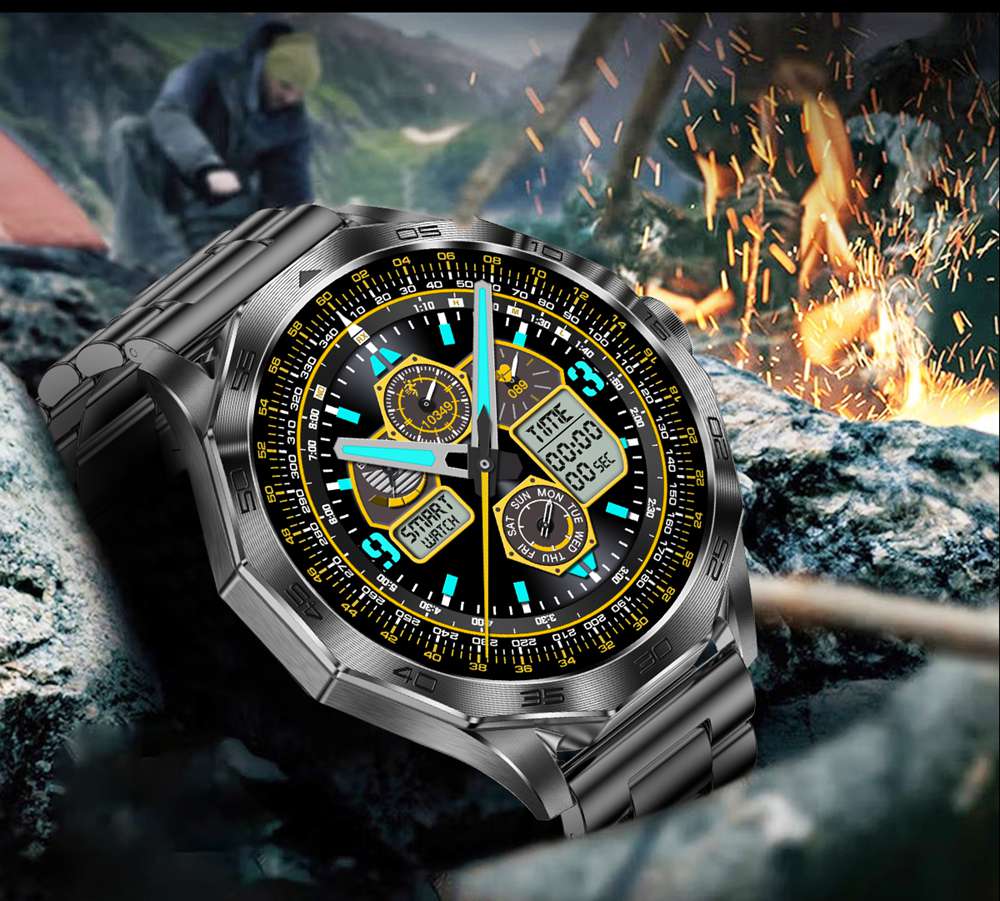
If you love Garmin’s rugged durability but not its premium price tag, meet the DA03 Smartwatch—a feature-packed rival that delivers military-grade toughness at a fraction of the cost.


While Garmin dominates the adventure watch market, the North Edge DA03 matches its resilience with dust-proof, antifreeze, and high-temperature resistance—perfect for hikers, cyclists, and outdoor enthusiasts. With dust-proof, antifreeze, and high-temperature resistance, the DA03 is built for adventurers. Its Bluetooth call quality rivals high level watch, thanks to high-fidelity waterproof speakers—perfect for workouts or rainy days. Health tracking is another standout, with heart rate, blood oxygen, and sleep monitoring comparable to Fitbit. Plus, customizable watch faces let you switch between sporty and sleek looks effortlessly.


If you want Garmin’s toughness and Fitbit’s health tracking—without the premium cost, the DA03 is your best bet. Ready to upgrade? This might just be your next favorite smartwatch.


The North Edge manufactual smart watch, outdoor watch, GPS watch etc, welcome to choose us.

smart watch north edge watch


Currently, NFC wristbands have become an essential item at all kinds of events, ranging from music festivals to congresses and trade fairs. Although many people primarily associate them with the convenience of not having to carry cash, these wristbands are far more than just virtual wallets.

NFC wristbands are carriers of valuable information and hold untapped potential. Have you ever wondered what else they can offer beyond their obvious function? You're in the right blog.

Let's dive into the fascinating world of NFC wristbands and discover how they can take the user experience to a whole new level! Keep reading and don't miss out on anything.

NFC Wristband


NFC Wristbands: Much More Than a Virtual Wallet

In the technological age, cashless wristbands have become the new currency of exchange at events and festivals. These are not just a fashion statement; they can also serve as a source of information. But what kind of data can be included in these smart wristbands?

Imagine carrying not just virtual money, but also valuable information with you. Cashless wristbands have the potential to store data that goes beyond the obvious. From personal identification details to emergency information, these wristbands can be a genuine toolbox of personal data, offering added security and simplifying access to key services during critical moments.

NFC Wristband


Personal Identification. Including basic details like your name and contact information can be crucial in case of loss.

Emergency Information. In unexpected situations, having medical or emergency contact information can be vital. Some wristbands allow you to include relevant medical data, such as allergies or intolerances, providing emergency services with quick and accurate information.

Access to Exclusive Events. Some NFC wristbands can integrate information that grants access to VIP areas or exclusive events. Imagine the excitement of discovering a secret concert just by wearing your wristband!

Digital Memories. Cashless wristbands can include digital storage functions. From photos to short videos, you can carry digital memories of special moments directly on your wrist.

Social Networks. For the more adventurous, some wristbands can connect with social media profiles, facilitating interaction with people who share similar interests.

In summary, the possibilities for the information you can include in a cashless wristband are as diverse as they are exciting. From the practical to the entertaining, these wristbands not only simplify our lives at events but also open the door to new experiences and connections.


For the modern adventurer who refuses to be tethered to a charger, the North Edge Blaze redefines reliability with its groundbreaking solar technology. This isn't just another sports watch - it's an unstoppable companion engineered for those who push boundaries.


Engineered for Endurance
The Blaze stands out with its revolutionary photovoltaic power system that delivers:
1.180-day battery life on a full charge
2.Continuous solar charging from any light source
3.Never needs battery replacements


Built for Action
1. 50m Waterproof - swim, surf, or train without worry
2. Triple Chronograph - track multiple activities with precision
3. Clear Night Display - perfect readability after dark


The North Edge Blaze isn't just a watch - it's a statement that you value innovation, reliability, and sustainability. Whether you're an outdoor enthusiast or simply tired of charging devices, this solar-powered timepiece delivers where others fall short.


In a world where boundaries blur and rules are rewritten, the North Edge X1 emerges as more than just a watch—it’s a statement. Designed for those who refuse to conform, this rugged yet stylish timepiece blends classic aesthetics with modern functionality, making it the perfect companion for the adventurous and the bold.


Built for Performance, Designed for Attitude


The North Edge X1 stands out with its striking square dial, merging a retro-inspired look with a contemporary, durable build. Lightweight yet shock-resistant, it’s engineered to keep up with an active lifestyle while making a strong style statement. Whether you're hitting the gym, exploring the outdoors, or simply expressing your individuality, the X1 is built to match your energy.


Loaded with Smart Features


Beyond its bold design, the X1 packs serious functionality:

1.Second Time Zone – Keep track of multiple time zones effortlessly.

2.Day Alarm & Snooze Function – Never miss an important moment.

3.Countdown Timer & Stopwatch (1/100 sec precision) – Perfect for training and sports.

4.Full Auto-Calendar & 12/24-Hour Timekeeping – Stay organized with ease.

5.50M Water Resistance – Ready for rain, swims, and splashes.


If you're looking for a reliable sports watch that combines function with distinctive style, the North Edge X1 deserves your attention. It's not about making a statement - it's about having a watch that can handle whatever your day brings.


Now available in three color options, the X1 is ready to become your everyday companion.


outdoor watch X1

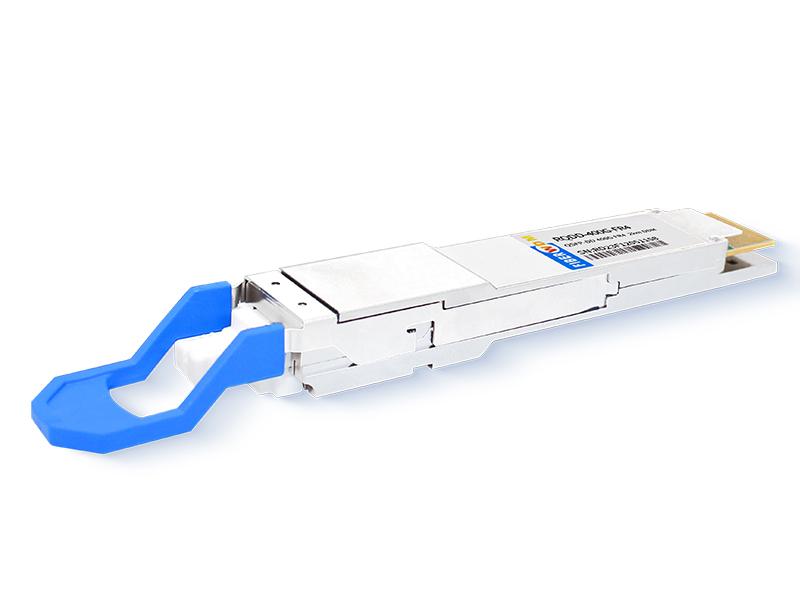
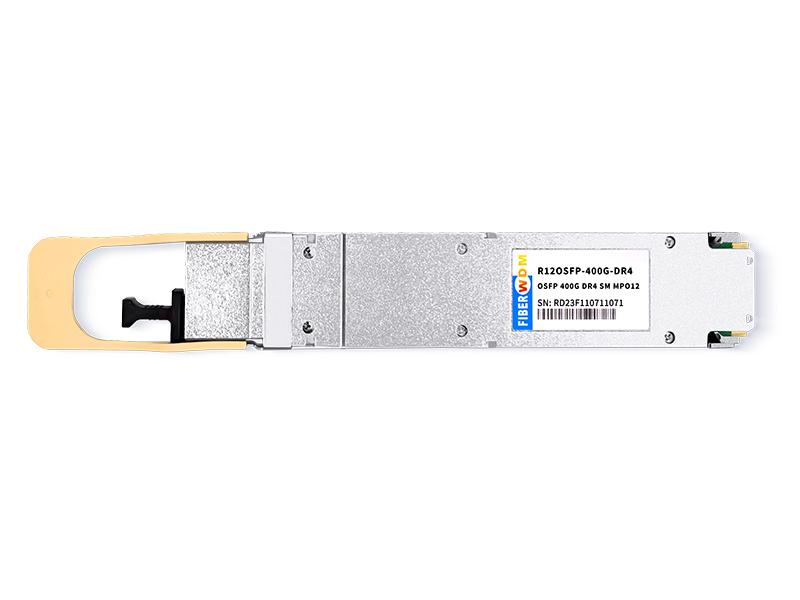
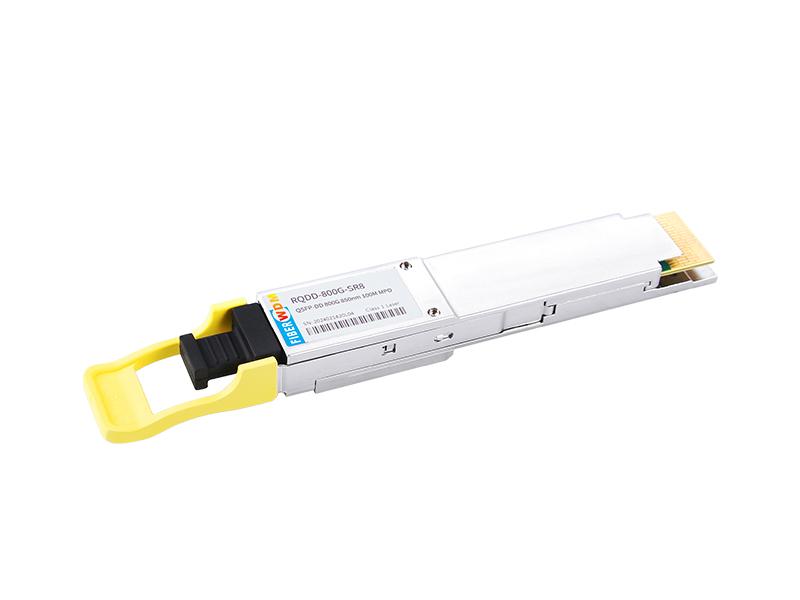
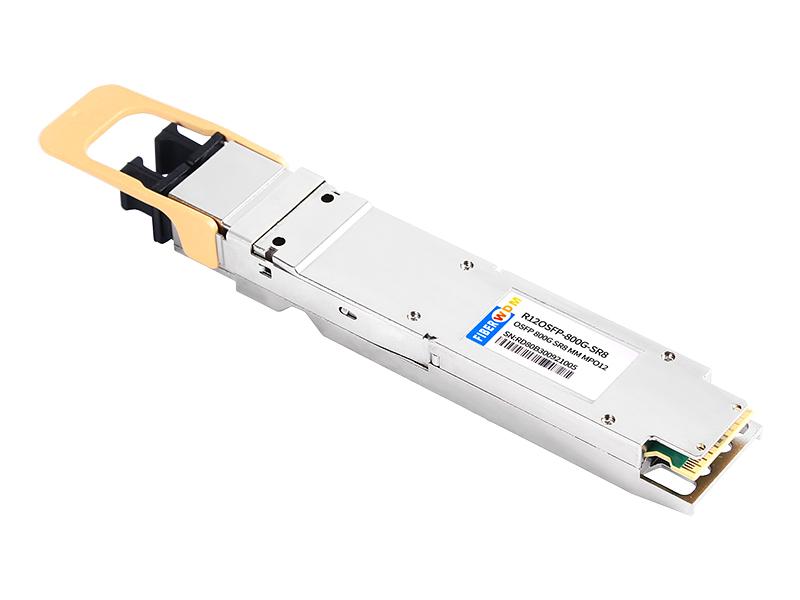
In the field of data center high-speed interconnection, the core differences between 400G optical transceivers and 800G optical transceivers lie in the divergence of technical paths and application scenarios.


Transmission rate and modulation technology are the core distinctions: 400G uses NRZ modulation, transmitting in parallel through four 100Gbps channels; 800G upgrades to PAM4 technology, with each channel supporting 200Gbps, achieving 800Gbps via four channels. This improves spectral efficiency but imposes stricter requirements on signal processing.


In packaging and wavelength configuration, 400G mainly adopts QSFP-DD/OSFP packages with multimode 850nm or single-mode 1310nm/1550nm wavelengths; 800G integrates four 200G PAM4 channels in the same package via wavelength multiplexing and introduces silicon photonics to enhance integration. While doubling density, this raises demands for thermal management and chips.


For application scenarios, 400G suits medium-scale scenarios like data center leaf-spine interconnection and 5G backhaul (multimode 200m to single-mode 10km); 800G targets high-end scenarios such as core-layer interconnection in hyperscale data centers and AI computing clusters, requiring single-port 800G rate aggregation and long-haul transmission over 40km.


In the industrial ecosystem, 400G continues optimizing niche packaging, while 800G drives the industry toward high integration via innovations like miniaturized coherent modules and co-packaged optics, forming a "high-speed to ultra-high-speed" technical complementarity.


As an innovative enterprise in optical communications, FiberWDM offers a full range of 400G/800G optical transceivers:


  • 400G products cover QSFP-DD/OSFP packages, support 200m-10km transmission, and feature 12W low-power design for data centers and 5G fronthaul, balancing stability and cost.


  • 800G modules leverage PAM4 and silicon photonics, achieving 12-15W power consumption, supporting 40km long-haul and AI cluster short-distance interconnection, and meeting high-density energy efficiency needs.
    All products pass rigorous testing and offer customized solutions to enable efficient data transmission across network architectures.


For customized fiber optic solutions, contact the FiberWDM technical team at: sales@fiberwdm.com