Beyond the Ballot Box How Rugged Fingerprint PDA is Reshaping Democratic Integrity in Africa and Beyond
In an era where democratic trust is fragile, the integrity of elections has never been more critical. From the bustling cities of Lagos to the rural highlands of Uganda, ensuring that "one person, one vote" is a reality, not just a principle, is the defining challenge for emerging democracies.
The solution is not just legislative; it is technological. Across Africa, Latin America, and parts of Asia, we are witnessing a seismic shift towards biometric voter registration and verification . The humble fingerprint, unique and immutable, is becoming the new frontier of electoral security. At the heart of this revolution is a tool that combines rugged durability with high-precision biometrics: the industrial handheld PDA, specifically designed for the world's most demanding environments.
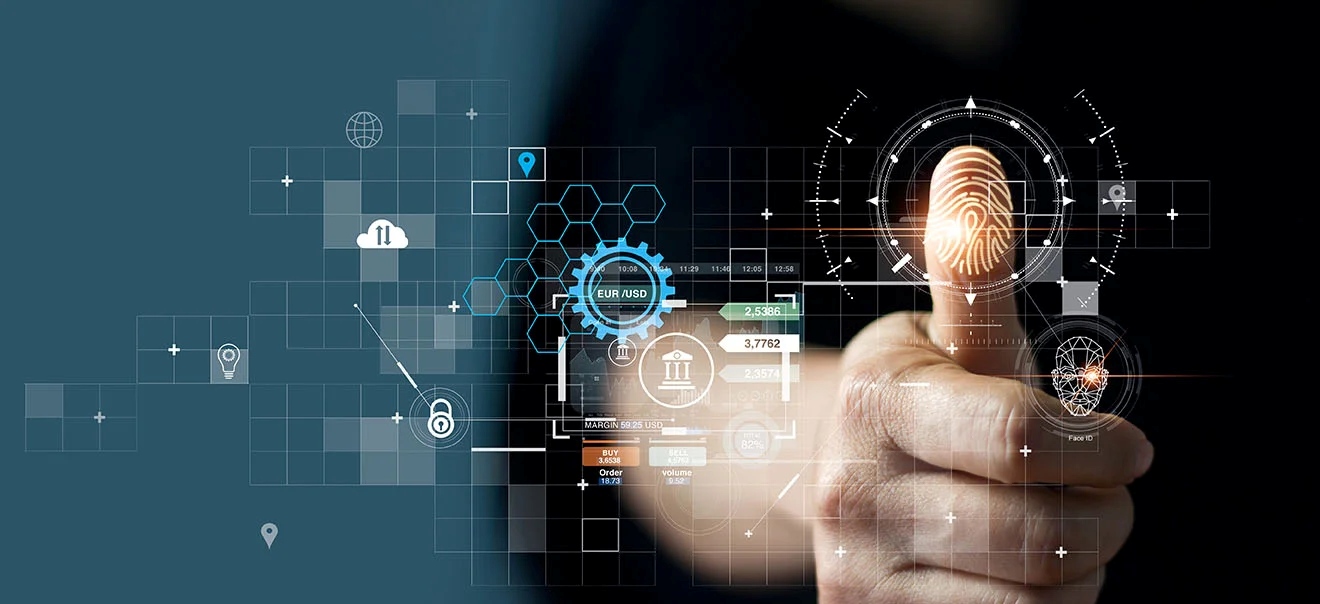
The Demand for Trust: Why Fingerprints?
Countries like Brazil and India have long demonstrated the power of biometrics. Brazil's Superior Electoral Court, for instance, now manages one of the world's largest biometric databases, covering over 160 million citizens, successfully preventing duplicate registrations and voter impersonation . This success has set a global precedent.
In Africa, the momentum is undeniable. Nations such as Ghana, Nigeria, and Liberia have successfully integrated biometrics into their electoral processes . Uganda, preparing for its 2026 General Elections, is deploying Biometric Voter Verification Kits (BVVKs) across tens of thousands of polling stations to secure the vote . The goal is universal: eliminate fraud, enhance transparency, and restore citizen confidence.
However, the unique challenges of these environments cannot be overstated. Polling stations often lack stable electricity, consistent internet connectivity, and are subject to harsh climatic conditions—extreme heat, dust, and humidity . A commercial-grade smartphone simply cannot survive, let alone perform, under such strain.
The Tool for the Mission: Vita H55F
This is where the Vita H55F industrial rugged handheld terminal enters the picture. It is not just a scanner; it is a mobile fortress designed for the specific rigors of field deployment. For electoral commissions and international bodies, the choice of hardware is as crucial as the software that runs it.
Consider the specific demands of a typical election day:
-
Uncompromising Authentication: The primary job is to match a voter's live fingerprint with the data on the national registry. The Vita H55F features a Ministry-certified fingerprint module with 508 DPI resolution . This high resolution ensures accurate reads even from worn or weathered fingertips, which is a common issue in agricultural or manual labor-intensive populations. This level of precision drastically lowers the False Acceptance Rate (FAR), ensuring that no one can vote using a false identity .
-
Surviving the Elements: Elections don't stop for rain or dust. With an IP66 rating, the Vita H55F is completely sealed against dust ingress and powerful water jets. It can withstand drops from 1.5 meters onto concrete and survive the constant jostling of transport over unpaved roads . Its operational temperature range of -20°C to +60°C ensures it works whether deployed in the Sahara heat or at high altitudes.
-
All-Day Power: A voting station might process thousands of voters. The Vita H55F's removable 4700mAh battery guarantees it lasts the entire day, and if needed, a hot-swappable battery design (implied by its field-service nature) means zero downtime. Field workers can keep verifying identities from the moment the polls open to the moment they close, without searching for a rare power outlet .
-
Beyond the Vote: A Multi-Purpose Tool
The lifecycle of such a device extends far beyond election day. After the polls close, the same Vita H55F can be repurposed for:-
National Census: Accurately registering citizens and preventing duplication in real-time .
-
Social Service Distribution: Verifying recipients of government aid or subsidies, ensuring resources reach the intended beneficiaries.
-
Healthcare Campaigns: Tracking vaccinations or managing patient records in remote clinics.
-
Building a Legacy of Trust
The adoption of biometric technology in elections is a massive logistical and technical undertaking. Public trust is not built on promises alone; it is built on demonstrable, error-free execution . When a voter sees their identity confirmed instantly and securely on a rugged device like the Vita H55F, it sends a powerful message: their vote is safe, and their voice will be counted.
As more nations move towards digital governance, the need for robust, reliable, and secure hardware becomes the bedrock of progress. The Vita H55F represents more than a technological upgrade; it is a commitment to democratic resilience, providing the tools necessary to build a future where every election is free, fair, and trusted.
