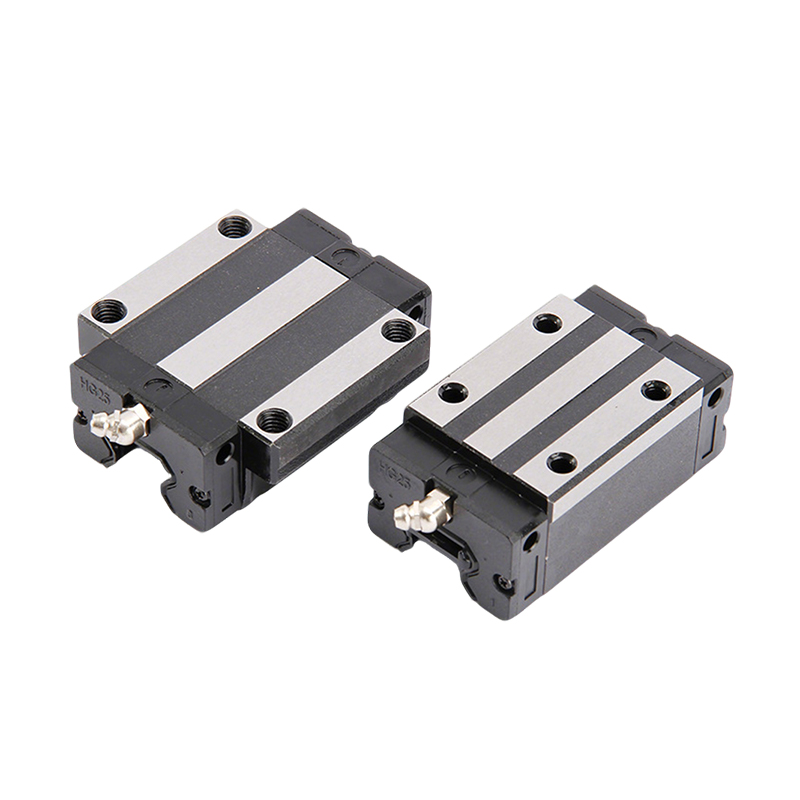
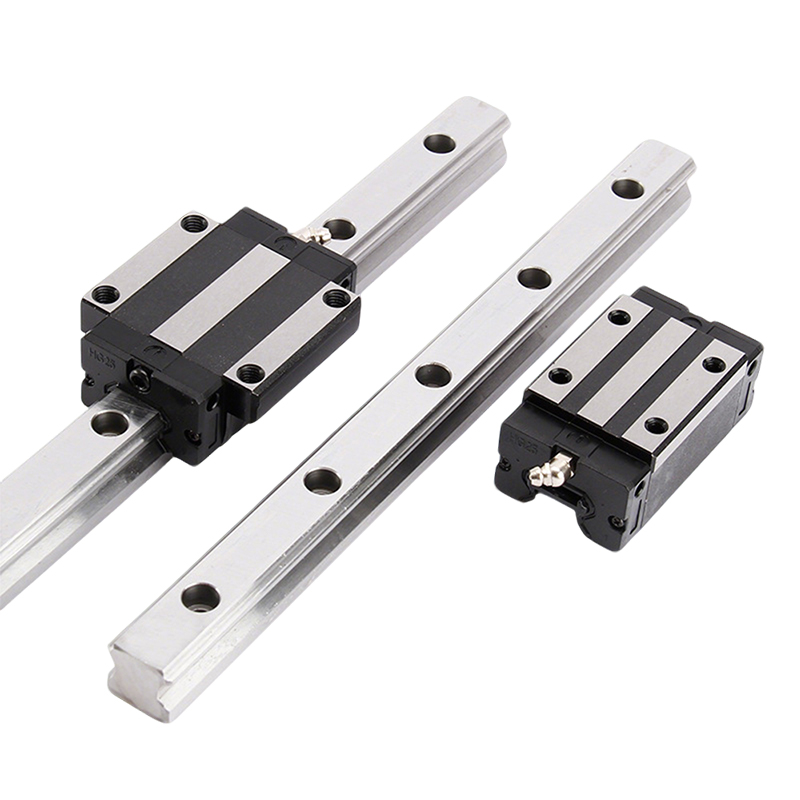
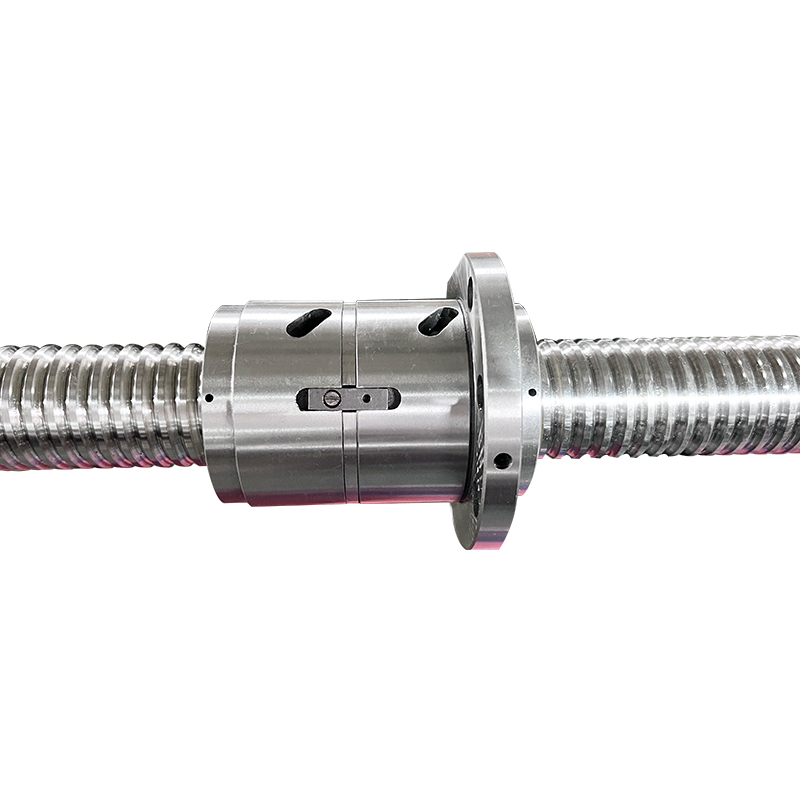
In the precision operation of industrial equipment, transmission components act like "joints," determining the accuracy and lifespan of the entire machine. However, many buyers often make mistakes when selecting ball screws and linear guides due to parameter confusion and application mismatches. Nanjing Shuntai (https://www.nanjingshuntai.com/), a company deeply involved in the precision transmission field, will share its practical experience to help you clarify your thinking.


I. Selection: Five Common Misconceptions

Common Selection Misconceptions (Nanjing Shuntai Helps You Avoid):

Misconception 1: Focusing on Diameter, Not Lead.

Error: Thinking Larger Diameter is Better.

Correct: Diameter primarily affects rigidity and critical speed, while lead directly determines speed and thrust. For high-speed applications, a larger lead should be prioritized, and rigidity should be ensured by increasing the diameter.


Misconception 2: Ignoring the Stress Rod Stability.

Misconception: For lead screws with a large aspect ratio (slender types), only checking the lifespan without checking the allowable axial load can lead to unstable bending during operation.

Correct: For applications with a large aspect ratio, stress rod stability must be checked.


Misconception 3: Exceeding the critical speed.

Error: Motor speed can be increased indefinitely.

Correct: The operating speed must be kept below the critical speed, otherwise severe vibration will occur. Increase the critical speed by changing the mounting method, increasing the diameter, or shortening the span.


Misconception 4: Selecting too high or too low an accuracy grade.

Error: Blindly pursuing the highest accuracy, or choosing too low an accuracy grade to save money.

Correct: Comprehensively consider the equipment's positioning accuracy, repeatability, and budget. Grade C7 is sufficient for most general applications.


Misconception 5: Ignoring the importance of preload.

Error: Not understanding the role of preload.

Correct: Preload eliminates axial play and improves rigidity, but it also increases wear and heat generation. Select preload for high-precision, high-rigidity applications; select light or no preload for light loads and high speeds.


II. Installation: Details determine accuracy and lifespan.


Many users report that "a new lead screw makes unusual noises after just six months of use." This is likely due to installation problems. Nanjing Shuntai's lead screw installation and commissioning video emphasizes that guideway parallelism errors exceeding 0.02mm/m will cause abnormal wear of the slider; coaxial misalignment of the bearing seats at both ends of the lead screw is a major cause of vibration. Jining local customers can schedule on-site installation services, where technicians will perform on-site calibration with a laser interferometer to ensure optimal performance of each device.


III. Maintenance: Simple Operations Extend Lifespan by Three Times


Regular lubrication is the lifespan of transmission components, but using the wrong grease can be detrimental. Nanjing Shuntai's technical advice: Use lithium-based grease for high-speed lead screws, extreme-pressure grease for heavy-duty guide rails, and high-temperature grease if the ambient temperature exceeds 80°C.


IV. Summary:

The selection of ball screws and linear guides requires rigorous engineering calculations. By keeping in mind the five core factors of "load, speed, accuracy, rigidity, and lifespan," following a scientific selection process, and leveraging the expertise of a professional team like Nanjing Shuntai, you can easily avoid 90% of selection errors and create a stable, precise, and durable linear motion system for your equipment.
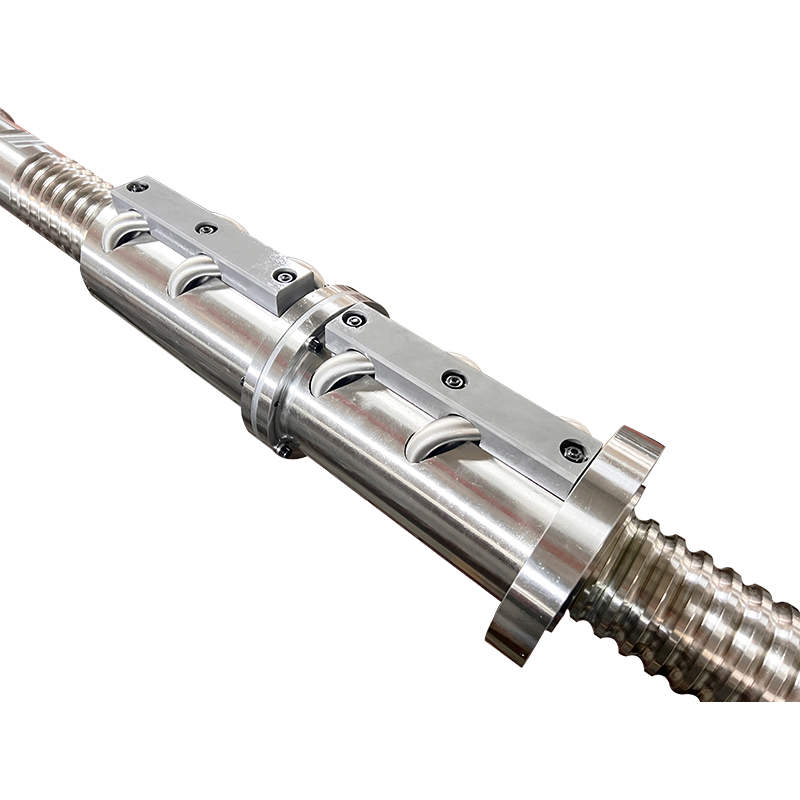
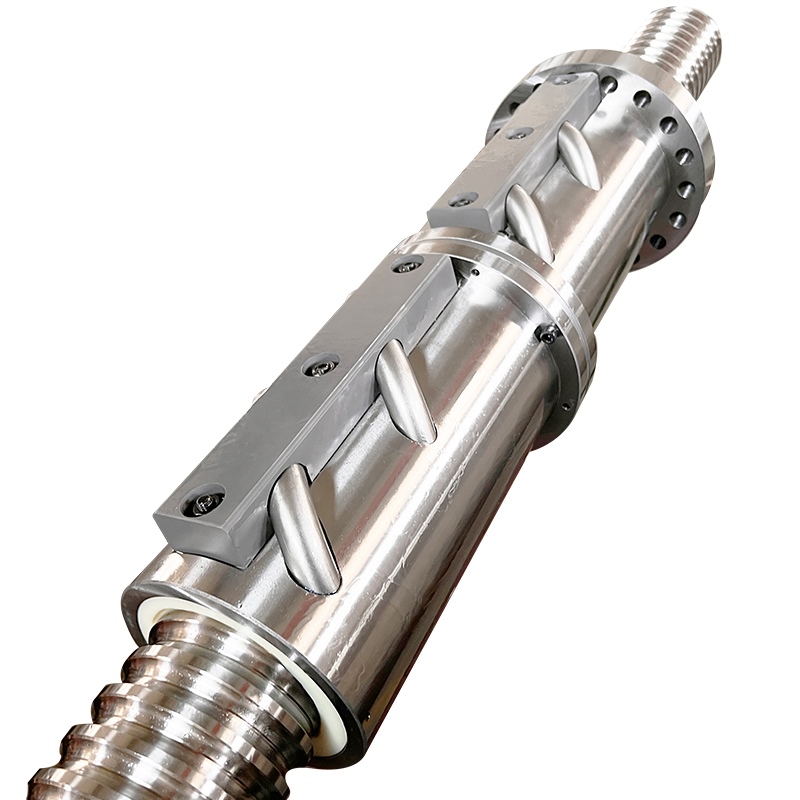
As a core component of precision transmission, the ball screw's performance directly determines the accuracy, lifespan, and stability of equipment, from small 3C devices to large industrial machine tools. The material is the key factor determining the ball screw's lifespan—choosing the right material allows for long-term stable operation under complex conditions; choosing the wrong material can lead to rapid accuracy degradation or even breakage. Today, we'll break down the underlying logic of ball screw material selection, from core considerations to comparisons of mainstream materials, helping you avoid selection pitfalls.

I. Before Choosing a Material, Clarify These 3 Core Dimensions

There is no "best" material, only "most suitable." Before finalizing the material, ask yourself three questions to anchor your selection direction:

* **Operating Conditions:** What load will the ball screw withstand? What is the operating speed/rotation speed? Will it operate in high-temperature, humid, or corrosive environments? Will it experience frequent start-stop cycles or impact loads?

* **Accuracy Requirements:** Is it for ordinary transmission (such as automated production lines) or high-precision positioning (such as CNC machine tools or semiconductor equipment)? Precision grade (C0-C10) directly affects material uniformity and heat treatment requirements. Cost budget: High-end materials (such as stainless steel alloys) offer excellent performance but are expensive, while ordinary carbon steel offers high cost-effectiveness but has limited applicability. A balance between performance and cost is necessary.


II. Mainstream Ball Screw Materials: Characteristics, Applications, and Advantages/Disadvantages


1. Carbon Structural Steel (e.g., 45# steel) – Entry-level choice

Core characteristics: Extremely low cost, good machinability, can be heat-treated to improve hardness, but poor hardenability, low surface hardness (HRC20-30), and poor wear and corrosion resistance.

Applicable scenarios: Only suitable for ordinary transmission scenarios with low loads, low speeds, and no precision requirements, such as simple conveying equipment and manual adjustment mechanisms. Almost never used in industrial precision equipment.

Advantages and disadvantages: Advantages include low cost and ease of machining; disadvantages include short lifespan, easy loss of precision, and inability to withstand impact loads.

2. Alloy Structural Steel (e.g., 40Cr, 20CrMnTi) – A Mid-Range General-Purpose Choice

Core Characteristics: Based on carbon steel, alloying elements such as chromium, manganese, and titanium are added, significantly improving hardenability. After tempering and surface quenching, the surface hardness can reach HRC55-60. It has good core toughness, balancing wear resistance and impact resistance.

Applicable Scenarios: Ball screws in industrial automation equipment, general machine tools, and construction machinery. Suitable for medium loads, medium speeds, and normal environmental conditions, it is currently the most widely used material.

Advantages and Disadvantages: Advantages include high cost-effectiveness and balanced performance; disadvantages include moderate corrosion resistance, requiring additional rust prevention treatment (such as galvanizing or blackening) in humid/salt spray environments.

3. Bearing Steel (e.g., GCr15, GCr15SiMn) – High-Precision Core Choice

Core Characteristics: High carbon content, with chromium as the main alloying element. After quenching and low-temperature tempering, the hardness can reach HRC60-64. It has excellent wear resistance and dimensional stability, low impurity content, and uniform internal structure, meeting the form and position tolerance requirements of high-precision ball screws.

Applicable Scenarios: Ball screws for high-precision CNC machine tools, semiconductor processing equipment, and testing instruments. Suitable for high-load, high-speed, and high-precision positioning conditions, it is the "standard" material for precision transmission.

Advantages and Disadvantages: Advantages include high hardness, good wear resistance, and stable precision; disadvantages include a cost 10%-20% higher than alloy structural steel, slightly lower core toughness than 40Cr, and the need to avoid overload impacts.

4. Stainless Steel (e.g., 304, 316, 9Cr18Mo) ​​– Special Environment Selection

Core Characteristics: 304/316 stainless steel has excellent corrosion resistance, suitable for harsh environments such as humid, acidic, alkaline, and salt spray conditions; 9Cr18Mo (martensitic stainless steel) combines high hardness (HRC58-62) and corrosion resistance, offering a "wear-resistant + corrosion-resistant" combination.

Applicable Scenarios: Ball screws in food processing equipment, marine engineering equipment, chemical equipment, or medical equipment where cleanliness and corrosion resistance are required.

Advantages and Disadvantages: Advantages include strong corrosion resistance, eliminating the need for additional rust prevention; disadvantages include high cost (304 stainless steel is 2-3 times more expensive than GCr15), the difficulty in processing 9Cr18Mo, and slightly lower overall wear resistance compared to bearing steel.


III. Four Practical Suggestions for Material Selection

* Prioritize matching accuracy and working conditions: Choose GCr15 for high precision and high load; 40Cr for medium load and normal environments; 45# steel for low requirements and low cost; stainless steel for harsh environments.

* Pay attention to heat treatment processes: For the same material, the heat treatment process directly determines performance—for example, GCr15 is prone to quenching cracks if it does not undergo sufficient spheroidizing annealing; 40Cr will lead to rapid surface wear if the surface quenching depth is insufficient. When selecting, confirm the supplier's heat treatment process (such as whether deep cryogenic treatment is performed to improve dimensional stability).

* Optimize performance by combining surface treatment: Even if the right material is selected, shortcomings can be compensated for through surface treatment—for example, nitriding of GCr15 lead screws can improve surface hardness and corrosion resistance; hard chrome plating of 40Cr lead screws can enhance wear resistance and rust prevention. Avoid "over-selection": For example, choosing GCr15 for a standard production line lead screw, or 316 stainless steel for a lead screw in a normal environment, will only increase costs without improving performance. Precise matching of requirements is necessary.


IV. Summary: The Core Logic of Material Selection

Choosing the right material is only the first step. Subsequent machining accuracy, assembly processes, lubrication, and maintenance will also affect the lead screw's lifespan. However, the material, as the foundation, directly determines the lead screw's "performance ceiling." If you are unsure which material to choose for your equipment, you can consider four dimensions: load, speed, environment, and accuracy, or consult us for working condition matching.


Installation Preparation: Verify that the mounting surface is flat, clean, and free of burrs, oil, and other impurities. Inspect the mounting surface for flatness, straightness, and other precision indicators to ensure that it meets the guide rail installation requirements. Gather the necessary installation tools, such as wrenches, screwdrivers, and vernier calipers, and check their accuracy and reliability.


Guide Rail Installation: Gently place the guide rail on the mounting surface. Use locating pins or locating blocks for initial positioning to ensure accurate installation. Initially secure the guide rail to the mounting surface with bolts, but do not tighten them to allow for subsequent adjustments.


Guide Rail Adjustment: Use a gauge to check the straightness and levelness of the guide rail. Fine-tune the rail with shims or bolts to meet the required accuracy. After adjustment, tighten the bolts to the specified torque.


Slider Installation: Gently install the slider onto the guide rail, paying attention to the slider's orientation and installation sequence. Secure the slider to the workbench or other component with bolts, also tightening to the specified torque.


Lubrication and Protection: Apply a liberal amount of lubricating oil or grease to the sliding surfaces of the guide rail and slider to reduce friction and wear. Install protective devices, such as dust covers and scraper blades, to prevent dust and debris from entering the guide rails and sliders.


Operational Inspection: After installation, manually push the workbench or other components to check whether the sliders run smoothly on the guide rails and for any abnormalities such as sticking or noise. Connect the power cord and perform a no-load test. Observe the equipment's operating conditions and record relevant parameters to ensure that the equipment meets performance requirements.

As a key transmission component for converting rotary to linear motion, ball screws have become the "heart" of high-end equipment such as precision instruments, CNC machine tools, and automated equipment, directly determining the operating accuracy and stability of the equipment, thanks to their three core advantages: "high precision, high efficiency, and high rigidity".


Eight Key Points for Daily Maintenance

  1. Cleaning and Protection: Regularly clean the lead screw surface with a brush or compressed air to remove dust and chips, preventing impurities from entering the raceway; in harsh environments, install dust covers and protective sleeves.
  2.  Scientific Lubrication: Select lubricant according to operating conditions, and replenish/change oil regularly according to operating time to ensure uniform lubrication of the raceway.
  3.  Load Control: Strictly adhere to rated load requirements, avoiding instantaneous overload or impact loads to prevent lead screw deformation.
  4.  Precise Installation: Ensure the lead screw is parallel and coaxial with the guide rail during installation, and tighten the bearings.
  5. Environmental Adaptability: Keep away from high temperature, high humidity, and corrosive environments. Take heat insulation, moisture-proof, and anti-corrosion measures when necessary.
  6.  Regular Inspection: Establish an operation log, record changes in noise, temperature, and accuracy, and stop the machine for repair immediately if any abnormalities are found.
  7.  Maintenance During Idle Time: When not in use for a long time, apply anti-rust oil and cover with a protective cover to prevent rust and dust accumulation.
  8.  Synchronous Maintenance: Simultaneously check mating components (bearings, guide rails, drive motor) to ensure the stable and coordinated operation of the entire transmission system.


Prevention and Inspection Techniques

  1. Visual Inspection: Inspect the lead screw surface for scratches, rust, and dents; check for intact and undamaged threads.
  2. Lubrication Check: Observe the even distribution of lubricant. If the color turns black or the viscosity decreases, replace it immediately.
  3. Smoothness Test: Manually rotate the lead screw or run it under no-load to check for any jamming or uneven resistance.
  4. Noise Identification: Listen for abnormal friction or impact sounds during operation, paying particular attention to the bearing area.
  5. Accuracy Inspection: Use a dial indicator and laser interferometer to check the positioning accuracy and repeatability, comparing them with standard values ​​to determine if the accuracy is satisfactory. Exceeding limits;
  6.  Clearance Measurement: Use a feeler gauge or dial indicator to check the clearance between the lead screw and nut. If it exceeds the limit, the component needs to be replaced;
  7.  Connection Tightness: Check the bolts of the bearing housing, coupling, and nut housing to prevent loosening that could cause vibration;
  8. Temperature Monitoring: Use a thermometer to check the temperature of the bearing and lead screw body after operation. If it exceeds 60℃, lubrication or installation problems need to be investigated;
  9. Cleanliness Assessment: Check for chips and oil accumulation around the lead screw and clean them promptly;
  10. Thread Flaw Detection: For lead screws in critical operating conditions, use magnetic particle testing or penetrant testing to check for hidden thread damage.

In automated equipment, CNC machine tools, and even 3D printers, linear guides function as the "skeleton" of precision transmission, bearing the critical responsibility for stable equipment operation. However, are you truly familiar with this seemingly simple mechanical component? This article will unveil the intricacies of linear guides.  

Linear guides consist of four core components: the rail body, sliding block, balls (or rollers), and sealing elements. The rail body is typically manufactured from high-carbon steel, with surfaces precision-ground and hardened to achieve a hardness of HRC 58–62, ensuring long-term wear resistance. The sliding block incorporates a recirculating ball mechanism, enabling low-friction motion through precisely machined raceways.  


The sealing system is an often-overlooked critical component. High-quality guides are equipped with multi-layer labyrinth seals, which effectively prevent contaminants such as metal chips and dust from entering while retaining lubricating grease. Certain specialized models also feature scrapers that automatically remove debris from the rail surface during high-speed operation.  

Load capacity is a primary performance indicator. Class C guides can withstand static rated loads of up to 30 kN, while Class H heavy-duty variants support loads exceeding 100 kN. Engineers must calculate vertical, horizontal, and moment loads simultaneously and incorporate a 20% safety margin. Under special operating conditions, impact load factors should also be considered.  


Accuracy grades directly influence equipment performance, ranging from standard and precision to ultra-precision levels. However, attention must be paid to the effect of temperature variations on accuracy: for every 1°C increase, a 1-meter-long guide rail expands thermally by approximately 11 μm.  


Lubrication management determines service life. It is recommended to replenish lithium-based grease every 100 kilometers of operation, switching to molybdenum disulfide lubricants in high-temperature environments. New self-lubricating guides employ oil-impregnated sintered bearing materials, extending maintenance intervals by threefold. Importantly, lubricants from different brands must not be mixed to avoid chemical reactions that degrade grease performance.  


Cleaning and protection protocols should be standardized. Dedicated guide rail covers are essential, with bellows-style guards recommended for dusty environments. Weekly cleaning of rail surfaces using non-woven cloths and specialized cleaners is advised, while corrosive solvents like acetone must be strictly avoided. For equipment idle exceeding 72 hours, anti-rust oil should be applied, and dehumidifiers utilized in humid conditions.

If you have any needs, please contact us. We are available 24/7 for your inquiries.

The ability of a machine tool lead screw to operate efficiently and without jamming 24 hours a day is primarily due to the synergistic effect of three factors: suitable design and selection, proper lubrication and maintenance, and reasonable operating condition control. Specifically, this can be broken down into the following key dimensions:

1. High-precision structural design and manufacturing process

Precision fit of the transmission pair: Ball screws use steel balls as rolling elements. Compared to the surface contact of sliding screws, this is point contact, resulting in an extremely low coefficient of friction (only 1/10 to 1/3 of that of sliding screws). This leads to low frictional resistance and less heat generation during operation, preventing jamming caused by overheating.

Preload process eliminates backlash: A double-nut preload structure (such as washer type, variable lead type, or threaded type) eliminates axial backlash between the lead screw and nut, ensuring transmission accuracy and preventing axial movement and jamming during high-speed operation.

High-Quality Materials and Heat Treatment: Lead screws and nuts are typically made of high-carbon steel (such as GCr15) or alloy structural steel, treated with quenching, tempering, and grinding to achieve a surface hardness of HRC58~62. This results in strong wear resistance, preventing wear and deformation during long-term operation and maintaining stable fit accuracy.

2. Stable and Reliable Lubrication and Sealing System

Continuous and Efficient Lubrication:** Equipped with an automatic lubrication system (such as a grease pump or oil mist lubrication device), it replenishes the lead screw raceway with specialized grease or oil at regular intervals, forming an oil film that reduces direct friction between the steel balls and the raceway, lowering wear and heat generation. Machine tools operating 24 hours a day are generally equipped with intermittent automatic lubrication to prevent insufficient lubrication or grease aging.

Excellent Sealing Protection:** Both ends of the lead screw are equipped with dustproof seals, scraper plates, and other components to prevent cutting fluid, metal shavings, and dust from entering the raceway. Impurities entering the raceway are a common cause of lead screw jamming; the sealing system effectively isolates contaminants and keeps the raceway clean.

3. Reasonable Operating Parameters and Load Control

Load and Speed ​​Matching: During selection, the rated dynamic and static loads of the lead screw are determined based on the actual load of the machine tool (cutting force, table weight) to ensure that the load does not exceed the rated value during 24-hour operation, avoiding ball bearing deformation and lead screw bending due to overload. Simultaneously, the speed is controlled below the lead screw's critical speed to prevent resonance and vibration during high-speed rotation.

Temperature Control: The machine tool is equipped with a cooling system to control the operating temperature of the lead screw and spindle. Heating the lead screw can cause thermal deformation, leading to pitch changes or even jamming. The cooling system can control temperature fluctuations within a minimal range, maintaining transmission stability.

4. Precise Coordination of Drive and Control Systems

Rigid Connection between Servo Motor and Lead Screw: Couplings (such as diaphragm couplings and lamellar couplings) are used to achieve a gapless connection between the motor and the lead screw, ensuring smooth power transmission and avoiding transmission jerks caused by loose connections.

Precise adjustment of the CNC system: Through a closed-loop or semi-closed-loop control system, the position and speed of the lead screw are monitored in real time, and the motor output torque is dynamically adjusted to compensate for the elastic deformation and temperature deformation of the lead screw, ensuring uniform speed and no impact during operation.

Supplement: The crucial role of routine maintenance: Even with reasonable design and operating conditions, regular maintenance is essential for 24/7 uninterrupted operation. For example, regularly cleaning seals, checking the condition of the lubricating grease, detecting lead screw runout and backlash, and promptly replacing aged grease and worn balls can effectively extend the stable operating time of the lead screw.

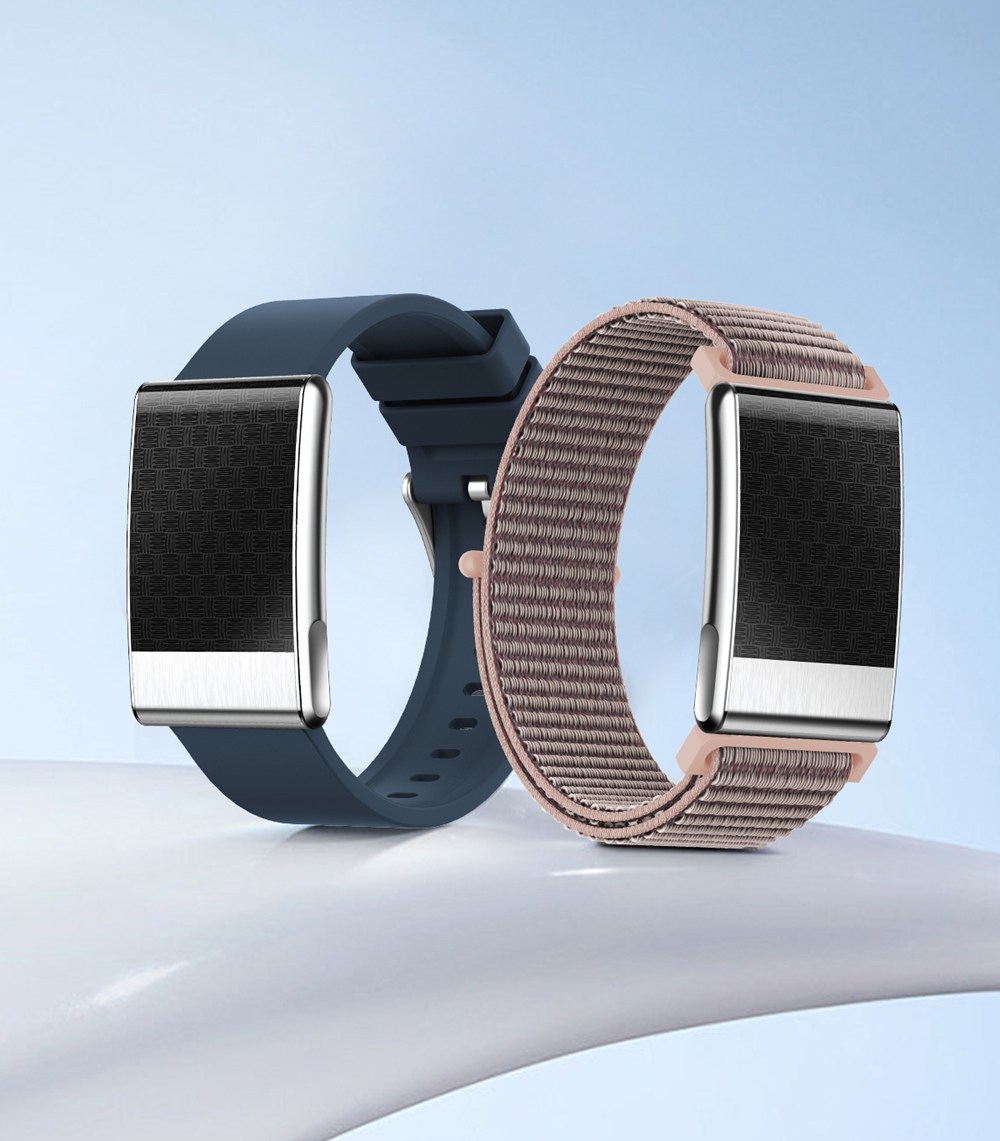
In today’s fast-paced world, maintaining your health has never been more important. The North Edge E900 is designed to help you effortlessly monitor your wellbeing while staying comfortable throughout the day. Its ultra-thin 8mm body and feather-light 10g weight ensure it sits comfortably on your wrist without distraction, making it ideal for both work and exercise.


Equipped with medical-grade ECG and PPG sensors, the E900 provides 24/7 heart health monitoring, including ECG analysis, heart rate tracking, and HRV-based stress detection. Continuous blood oxygen and blood pressure monitoring, combined with advanced sleep tracking, give you a comprehensive view of your physical state. Women can also benefit from menstrual tracking and personalized health reminders, while body composition and blood component measurements help you make informed lifestyle decisions.


The E900 also encourages an active lifestyle with 120+ multi-sport modes, step counting, and calorie tracking, all seamlessly integrated with its lightweight, screenless design. Remote care features allow family and friends to stay updated on your health status, delivering peace of mind. With IP68 waterproof protection and long battery life, the E900 combines practicality with precision, making it a discreet yet powerful health companion for modern life.

OEM ODM watch customization

Losing a beloved pet is a heart-wrenching experience that countless families endure each year. Whether your furry friend slips out during a walk, escapes from the backyard, or gets lost in unfamiliar territory, the panic and despair of not knowing their whereabouts can be overwhelming. Traditional identification methods like collar tags and microchips have long been the go-to solutions, but they come with limitations. Enter NFC (Near Field Communication) pet tags—a cutting-edge innovation that’s revolutionizing how we protect and recover lost pets.

Collar Pet Tags


The Limitations of Traditional Pet ID Methods

Standard collar tags with phone numbers or addresses are a simple first line of defense, but they’re prone to fading, falling off, or becoming unreadable over time. Microchips, while more permanent, require a specialized scanner and a visit to a vet or shelter to access the information. This process can delay reunions, especially if the finder doesn’t know to check for a chip or lacks access to a scanner.


How NFC Pet Tags Work

NFC technology, the same system used in contactless payments and smart home devices, allows for instant data sharing with a simple tap of a smartphone. Here’s how it transforms pet recovery:

  1. Easy Setup: NFC pet tags are small, lightweight, and attach to your pet’s collar like traditional tags. They’re programmed with your contact details, medical information, or even a custom message (e.g., “I’m lost! Call my owner at [number]”).
  2. Instant Access: Anyone with a smartphone can tap the tag to view the stored information instantly—no apps, scanners, or internet connection required.
  3. Updatable Information: Unlike engrved tags, NFC tags can be reprogrammed if your contact details change, ensuring the information is always current.
  4. Global Compatibility: NFC is a universal standard, so the tags work anywhere in the world, making them ideal for travelers or families who move frequently.

Collar Pet Tags


Why NFC Tags Outperform Microchips

While microchips are invaluable, NFC tags offer distinct advantages:

  • No Special Equipment Needed: A smartphone is all it takes to access the information, whereas microchips require a scanner.
  • Faster Reunions: The immediate visibility of contact details encourages finders to act quickly, often before taking the pet to a shelter.
  • Cost-Effective: NFC tags are affordable and reusable, unlike microchips, which require implantation by a professional.


Real-Life Success Stories

Pet owners worldwide are already benefiting from NFC technology. Take, for example, a lost dog in London whose NFC tag connected a concerned passerby directly to its owner within minutes. Or a cat in New York who was returned home the same day thanks to an NFC tag’s up-to-date phone number. These stories highlight how technology can bridge the gap between loss and recovery.


Choosing the Right NFC Pet Tag

When selecting an NFC tag for your pet, consider:

  • Durability: Opt for waterproof, scratch-resistant tags built to withstand active pets.
  • Battery-Free Design: NFC tags don’t require batteries, ensuring they work indefinitely.
  • Customization: Some tags allow you to add photos, medical alerts, or multiple contact numbers.
  • Ease of Use: Ensure the tag’s information can be edited easily via a free NFC-writing app.


The Future of Pet Safety

NFC pet tags represent a leap forward in pet identification, offering a user-friendly, efficient, and reliable way to protect our companions. As technology continues to evolve, we can expect even more features, such as GPS integration or real-time tracking alerts, but for now, NFC tags provide an accessible and effective solution.

Pet ID Tags


Final Thoughts

No pet owner wants to imagine the worst, but preparedness is key to ensuring a happy reunion. By embracing NFC pet tags, you’re not just adding a layer of safety—you’re investing in peace of mind. So, the next time you update your pet’s collar, consider making the switch to NFC. It might just be the best decision you ever make for your furry family member.

Stay safe, stay connected, and keep your pets protected with NFC technology!

Outdoor activities demand reliable equipment, and a professional smartwatch should be more than just a timepiece. The North Edge TS500 is designed to support users in challenging environments while also meeting daily lifestyle needs.


Equipped with multi-satellite GPS positioning, the TS500 provides accurate route tracking and trajectory recording, ideal for hiking, trail running, climbing, and cycling. Built-in altimeter, barometer, and geomagnetic compass help users monitor altitude changes, weather trends, and directions in real time. For low-light or emergency situations, the four-mode high-brightness flashlight ensures visibility and safety. Its 1ATM + IP68 waterproof and dustproof protection guarantees durability in diverse conditions.


On the sports side, the watch supports 128+ motion modes with an intelligent motion recognition algorithm. Core metrics such as steps, distance, calories, pace, and training frequency are recorded clearly, helping users analyze and improve performance.


Health monitoring is a key strength of the TS500. It offers 24-hour heart rate monitoring, true blood oxygen detection, blood pressure testing, and sleep monitoring, along with pressure monitoring and breathing training to help manage stress and improve sleep quality.


For everyday convenience, the TS500 includes Bluetooth calling, intelligent voice assistant, weather updates, remote photography, and music control.


With its combination of outdoor functionality, health monitoring, and smart features, the North Edge TS500 is a versatile solution for adventurers, athletes, and modern users seeking an all-in-one wearable device.

Wholesale outdoor watch bulk supply


The access control industry has undergone a significant transformation over the years, evolving from traditional mechanical keys to advanced smart card systems. Among the most impactful innovations are NFC Card and RFID Card technologies, which have revolutionized how we manage security and convenience in various sectors, including hospitality and corporate environments.


NFC Cards (Near Field Communication) and RFID Cards (Radio Frequency Identification) are at the forefront of this change. These technologies enable contactless access, allowing users to simply tap their cards to gain entry. NFC Cards are particularly popular in modern access control systems due to their compatibility with smartphones and other devices, making them ideal for multifunctional use. On the other hand, RFID Cards are widely adopted for their long-range detection capabilities, making them perfect for high-traffic areas like office buildings and hotels.


In the hospitality industry, the RFID Hotel Card has become a game-changer. These cards not only provide seamless room access but can also be integrated with other hotel services, such as elevator controls, payment systems, and loyalty programs. This enhances the guest experience while streamlining operations for hotel management. The shift to RFID-based systems has significantly reduced the risks associated with lost or duplicated keys, offering a higher level of security and convenience.


When it comes to reliable and innovative solutions, SHENZHEN ZHIJIE RFID Hotel Card stands out as a trusted name in the industry. Their RFID Hotel Cards are designed with cutting-edge technology, ensuring durability, security, and compatibility with a wide range of access control systems. Beyond the product itself, SHENZHEN ZHIJIE excels in customer service, offering tailored solutions to meet the unique needs of each client. Their commitment to quality and support has made them a preferred partner for hotels and businesses worldwide.

Mainstay Suites Rfid Key Card

As the access control industry continues to evolve, the adoption of NFC Card and RFID Card technologies is set to grow. Whether for corporate security or enhancing guest experiences in hotels, these smart solutions are paving the way for a more secure and efficient future. And with companies like SHENZHEN ZHIJIE leading the charge, the transition to smarter access control has never been easier.