RFID for Waste Collection and School Bus Fleet Management
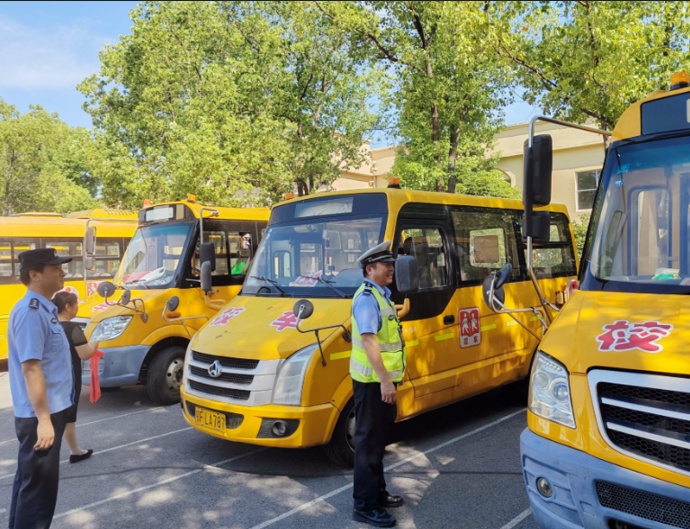
Across the urban landscape, two types of fleets are rarely mentioned in the same conversation — garbage trucks and school buses. Yet from a fleet operator‘s perspective, they share a common challenge: how to track vehicles, monitor operations, and ensure accountability without adding administrative burden.
For waste collection, RFID has quietly become a game-changer. Modern RFID-enabled garbage trucks automatically read bin-mounted UHF tags as the truck lifts and empties each container. The reader captures the bin’s unique ID, along with time, location and sometimes weight data, then transmits the information to a central management platform in real time. This means no more manual logs, no more disputed collection counts — just clean, auditable data.
For school bus fleets, the challenge is different but equally pressing: student safety and route efficiency. RFID-powered boarding systems track exactly when and where each student gets on and off the bus. Parents receive automated notifications, and fleet managers gain visibility into occupancy patterns that help optimize routes and reduce unnecessary mileage.
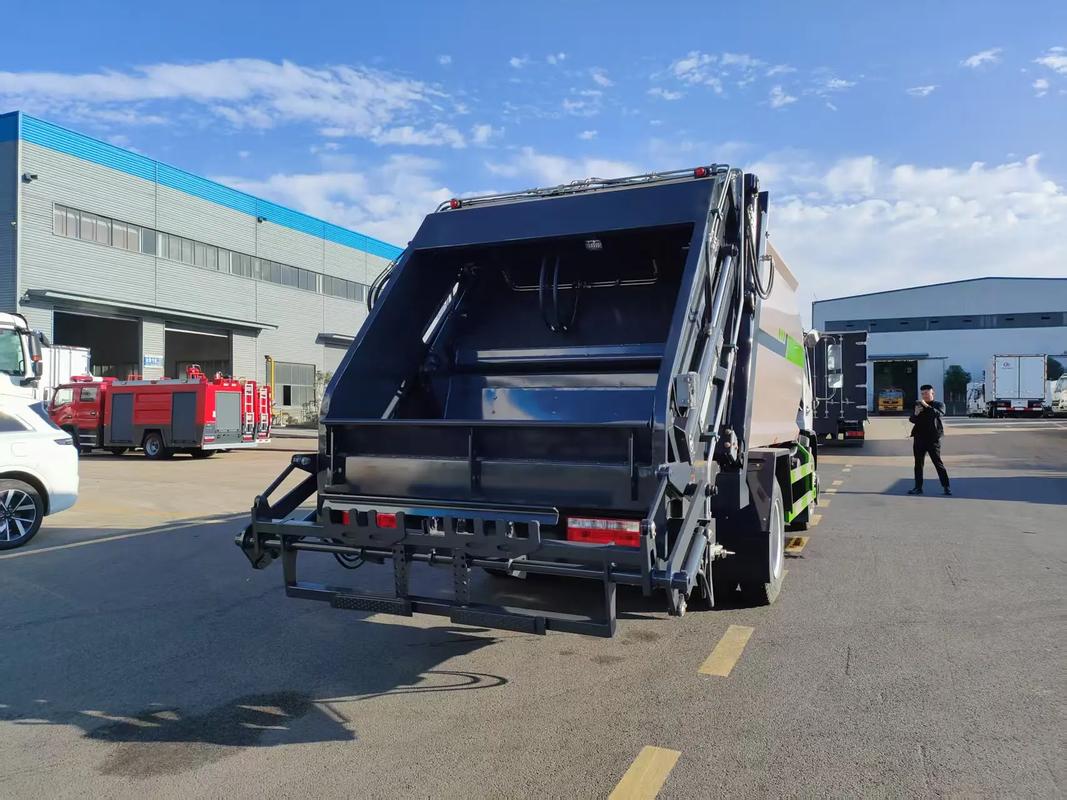
Across both use cases, the same principle applies: the quality of the data begins with the quality of the hardware.
This is why fleets looking to scale need readers that are built to survive continuous vibration (garbage trucks encounter thousands of jolts per shift), extreme weather (school buses operate through rain, snow, and heat), and dust and moisture (both indoor depots and outdoor routes). A reader that fails mid-shift doesn‘t just corrupt a few records — it breaks the trust in the entire system.
For integrators and fleet operators evaluating the next upgrade, this is where durability isn’t just a spec — it‘s a business requirement.
(This article was prepared by SeeMore IoT’s engineering team. For fleet RFID consultation, contact info@seemoretek.com.)
